
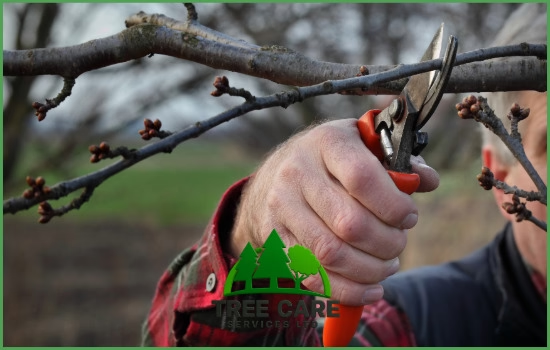
Start with the reason for pruning
Look for dead wood, damaged branches, crossing limbs and branches that obstruct a sidewalk or building. A tree may benefit from structural pruning while young, but removing excessive healthy canopy can stress it. The City of Edmonton recommends sharp, clean tools and spreading extensive work over more than one year.
Dormant-season work is often easier to evaluate
For many deciduous trees, late winter or another suitable dormant period makes branch structure easier to see. Timing still varies by species, the size of the cut, flowering habits and weather conditions. Do not treat one pruning month as universal advice for all trees or shrubs.
Elms have a specific pruning restriction
Edmonton’s Community Standards Bylaw prohibits pruning elm trees from April 1 through September 30, with any exception requiring appropriate authorization. Healthy elm pruning is generally restricted to October 1 through March 31. These rules help reduce Dutch elm disease transmission by elm bark beetles. Check current City rules and permits before arranging work.
Know when the job is not DIY
Never work near energized wires, climb with a chainsaw or attempt to lower large suspended branches yourself. For extensive canopy work or uncertain tree health, arrange a qualified assessment. For trees near power lines, contact EPCOR. City-owned trees, including boulevard trees, must be coordinated with the City.
Make a simple seasonal plan
Photograph problem limbs from the ground, identify the tree species and note proximity to roads, power lines and buildings. Schedule routine work deliberately; if a branch is cracked or hanging dangerously, keep people away and seek appropriate emergency help.
Local guidance and references
For current municipal rules and additional details, see these public resources:
This article offers general information, not an on-site tree assessment. Regulations, permits and tree conditions may change. Check the latest City of Edmonton guidance before arranging regulated work.